

Noble Rot
The shelf life of a luxury good

When the sun slips behind the Irvine office parks and the streetlights flicker on, I begin my self-care routine and wind down for bedtime. I brush my teeth, floss (sometimes), and crawl into bed, where I beam an hour’s worth of blue light straight into my skull—a tranquilizer for the brain, just like the sleep doctors recommend. Sometimes I scroll through TikTok or Instagram Reels, but more often than not, I take my nightly dose of screen time in the form of fine-dining YouTube videos.
I can’t think of a better way to unwind. I watch chefs breaking down dry-aged quail destined for a gentle smoking over applewood—leg, fat, lovage—and tuxedoed socialites vlogging each bite of a twenty-course tasting menu. With every quenelle and tweezered garnish, I feel the day’s mundane stressors melt away. I edge closer to sleep, and as I drift across the threshold between conscious and not, I swear I can almost taste the foams and the gels and the edible flowers.
My favorite of these YouTubers is Alexander the Guest—the alias of Sándor Varga, an amiable (if unrelenting) Hungarian restaurateur and owner of the Michelin-starred "42 restaurant." He trots around the globe in impeccably pressed suits and sits in the world's lushest dining rooms, where he dissects the dining experience course by course, as if you're right there beside him—sharing in his eye-rolls of sheer pleasure and frequent, reverent "Oh My Gods" and "Wows." He has my dream job. He's also a judge on the Hungarian version of Shark Tank, which is my other dream job.

Alexander has somewhere in the realm of a hundred YouTube videos, and I have watched all of them at least twice. Theoretically, if I save up my money and my PTO days, I could one day visit some of the restaurants Alexander visits, and luxuriate in a dinner that lasts six and a half hours. But as I work my way through his catalog, there remains a distinct understanding that some level of this luxury will always be out of my grasp. I can fathom an expensive dinner; it’s when I watch him gain entry to the invitation-only House of Krug—one of Champagne’s most exclusive estates, where he’s led down into the cellars and poured the prestige cuvées—that I have to remind myself I’m pursuing a career as a writer. I will likely never know the nutty, brioche notes that blossom in a bottle of Krug Clos du Mesnil. Not unless I make some very wealthy friends.
All this voyeurism makes fine dining a very confusing hobby to have. The attraction is no mystery—I love food and wine and being made to feel special. But the luxury is exclusionary by definition, and so I’m left on the outside looking in. I know the signature dish at Girona’s three-starred El Celler de Can Roca is caramelized olives served dangling from a bonsai tree, but I’ve never been to the restaurant, and I’ve never been to Girona. The only thing this knowledge earns me is a growling stomach and a greatly improved ability to annoy people at parties.
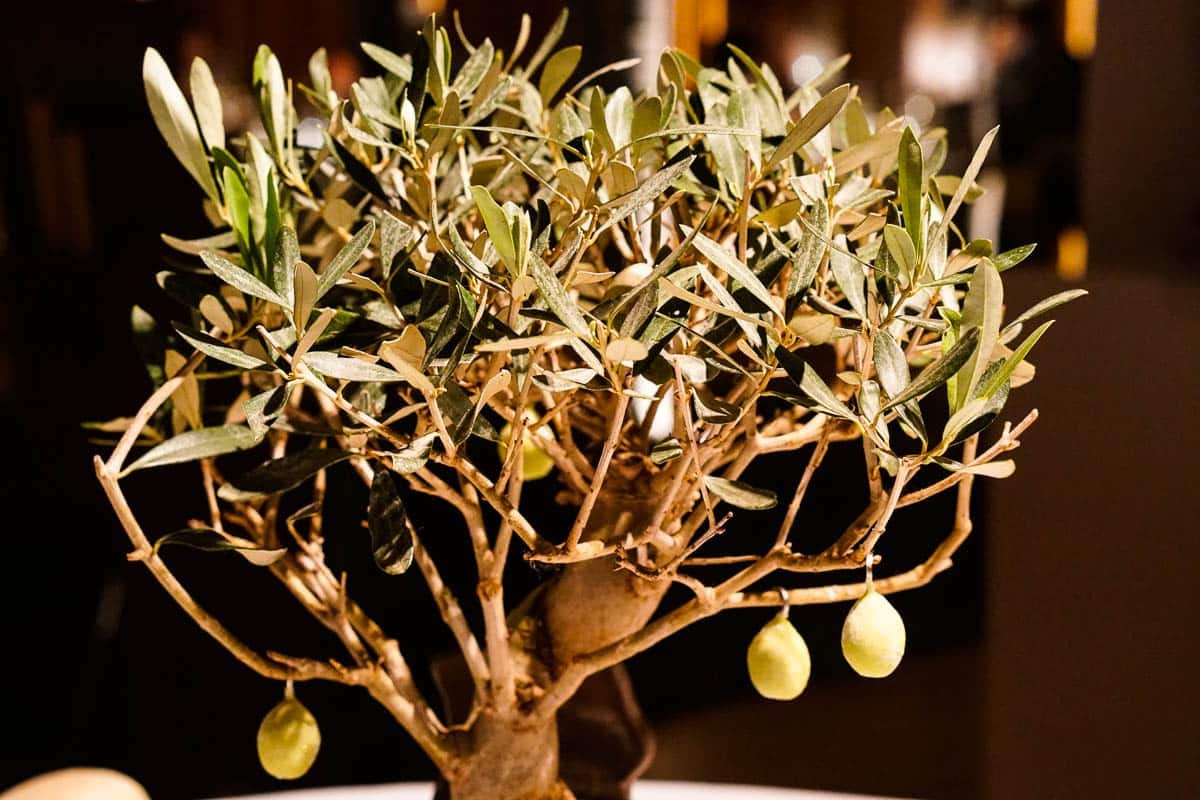
I do believe these experiences are usually worth the money, and I bristle at the idea that fine dining is nothing more than bloated excess. I believe in the craft; this is more than fancy finger food designed to separate wealthy people from their money (most of the time). But occasionally, while on my fifth or sixth Alexander the Guest video of the night, I wonder whether those caramelized olives would lose their forbidden luster if I knew what they tasted like. Am I only entranced by this world because I have so little experience with it? Does Alexander the Guest actually love the taste of caviar, or is it the luxury association that draws him in? Maybe I’m only wistful about that Krug invite because I’ve never tasted prestige Champagne—never had the chance to learn that it’s remarkably similar to the Kirkland stuff they sell at Costco.
All of this was on my mind while I was watching Alexander’s video review of Bottiglieria 1881, Poland’s only two-Michelin-star restaurant ($620 for dinner). The meal is capped off with a teaspoon of dark amber liquid called “Tokaji,” the taste of which makes him convulse with pleasure. “It’s an immensely special treat,” he says, and philistine that I am, I’ve never heard of it. But I do love rewarding myself with immensely special treats. I start Googling.

The Tokaji that Alexander is drinking is a Hungarian dessert wine, and one of the original “noble rot“ wines. The rot in question is Botrytis cinerea, a fungus that, under the right conditions, settles on ripe grapes, shriveling them to raisins and concentrating their sugars. The grapes (now called aszú berries) are mashed into a paste, steeped in a base wine, and aged for years. The end product is the color of caramel: honey-sweet, aromatic like ginger, with a deep, earthy complexity. This was, for many centuries, the drink of royalty.
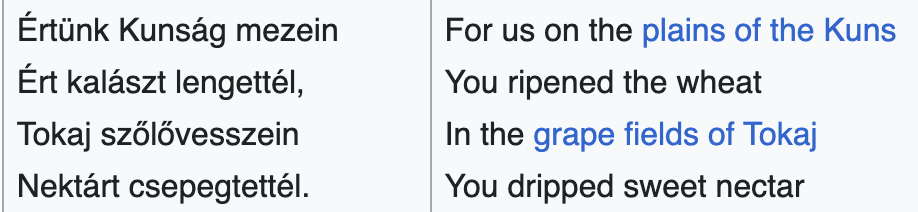
When France’s Louis XIV reportedly proclaimed Tokaji “the wine of kings, the king of wines,” one assumes that this was because it was very yummy. (Louis also believed kings were appointed by God, so the syllogism more or less completes itself.) And if Catherine the Great, Empress of Russia, had her Tokaji shipments escorted to St. Petersburg by a detachment of armed cavalry, it was probably because she also thought it quite delicious. When the poet Ferenc Kölcsey wrote it into the Hungarian national anthem in 1823—listed among God’s blessings on the nation, right alongside the wheat fields—well, you get the idea.
This was the luxury good to end all luxury goods, the kind of syrupy elixir that seventeenth- and eighteenth-century commoners could only dream of tasting. What my friend Alexander enjoyed was Eszencia, a concentrate so dense it’s traditionally served by the spoonful—and for long stretches of history, it wasn’t for sale at any price: the Habsburgs kept private reserves in their imperial cellars, and bottles changed hands only as gifts between monarchs. And yet, in the modern world of Champagne disgorgement and caviar bumps, Tokaji seems to have suffered a precipitous fall from grace.
There’s no one reason for Tokaji’s downfall. Phylloxera insects tore through the vineyards in the late 1800s, and the Treaty of Trianon after World War I cut the region off from much of the market that had sustained it. Then a second war hollowed out what was left of the labor force and the trade routes that had carried the wine to its buyers for centuries. What remained of the Tokaji mystique was lost to state-run agriculture that favored volume over nuance, and the quality only returned after 1990, when vineyards were privatized and outside money poured in. But by this point, and continuing through today, Tokaji has a fraction of the clout it once had, reduced to a historical footnote, a niche interest for winos.
The real-deal Eszencia still carries a hefty price tag (like, $1,000-for-a-half-bottle kind of hefty), and I assume that stuff is for the most part reserved for modern-day Hungarian royalty. Like Alexander the Guest! But without the cultural cachet of a Burgundy or a Bordeaux, it’s possible to buy a very nice bottle of Tokaji 5-puttonyos aszú—a serious, well-made wine in its own right—for a decent price. The day after watching this video, I picked up a bottle for $40. I took my bottle, the kind once poured at 1700s Versailles, and went back to my cubicle.
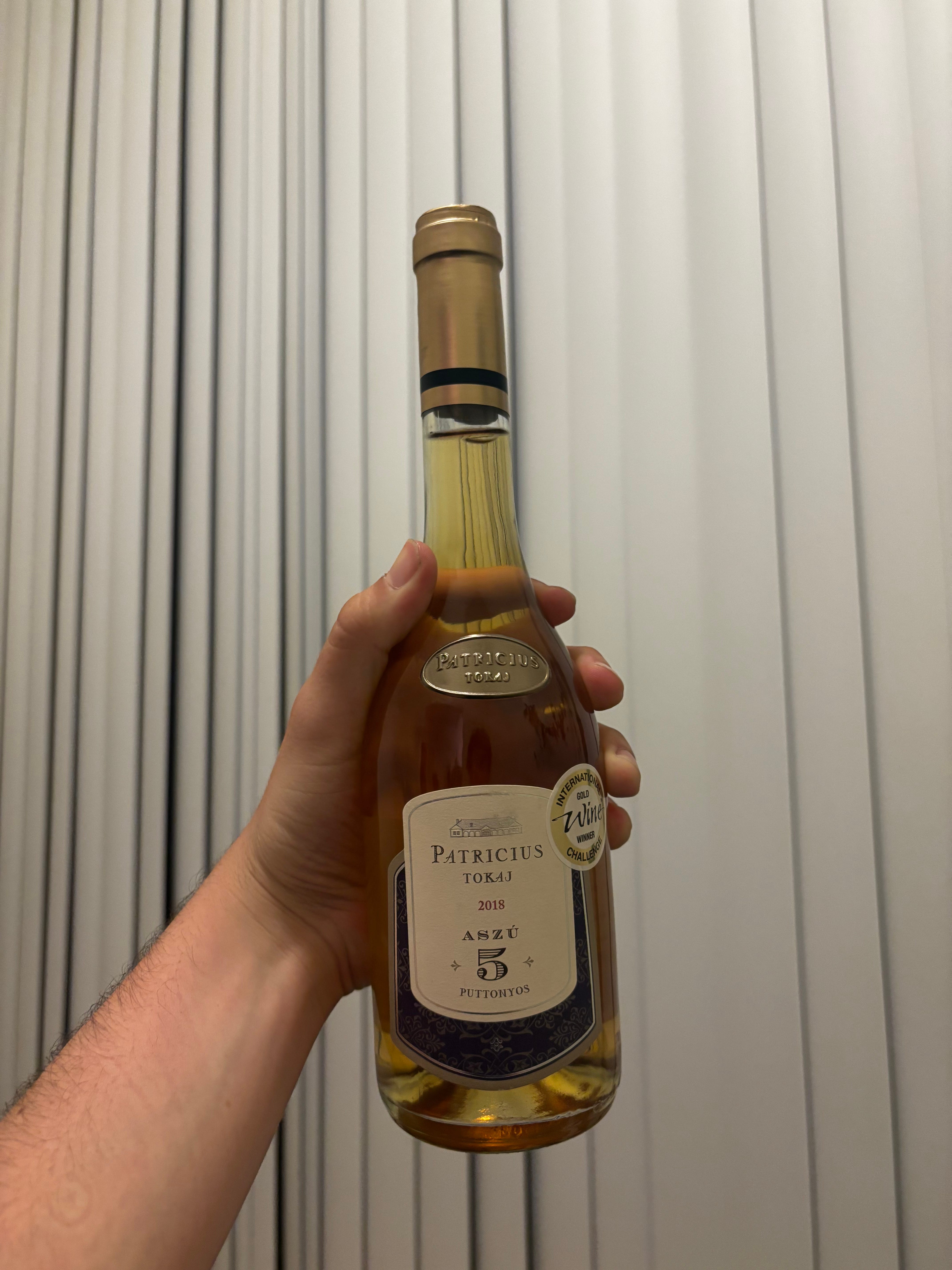
It’s not every day that you can drink like a king, so I figured the Tokaji deserved a proper occasion. Fortunately, Esther was soon to graduate, and we shared the bottle to cap off her four years of college.
The wine was luscious and indulgent, tasting of dried apricot and honey. Knowing the history—that the wine I was sipping from a mug in a college dorm room was once the object of immense national desire—made it taste that much better. Luxury goods are revered for the stories behind them: the centuries of lore in a bottle of Champagne, the manufactured scarcity of caviar. And sometimes consuming a luxury product is less about the product than the consumption: I was celebrating with my girlfriend, and a bottle of nice wine is just a way of making it official. I don’t know if it’s delicious enough to warrant its own military escort, but it’s definitely worth forty bucks.
Another great thing about Tokaji: all that sugar means it keeps well. We didn’t finish the bottle in one go, so I popped the cork back in and took it home with me to Irvine. The celebration was on the continuum—I drank most of what was left with my friend Fish and saved the last bit for myself in the fridge. Then, one night, I poured myself a glass while lying in bed watching YouTube. Curled up with my wine, I felt a little less envious of Alexander. My Tokaji came from a mid-price bottle, and I’m no nobility; I’m still a long ways out from an invite to the Krug house. But I can drink liquid gold for no reason other than that I feel like it, and I don’t think it gets more luxurious than that.